NutritionThe Food Ritual
The Food Ritual: The Longevity Secret of the Mediterranean Table
Olive oil, legumes, herbs and shared tables. Why is the Mediterranean diet one of the most researched healthy eating patterns?
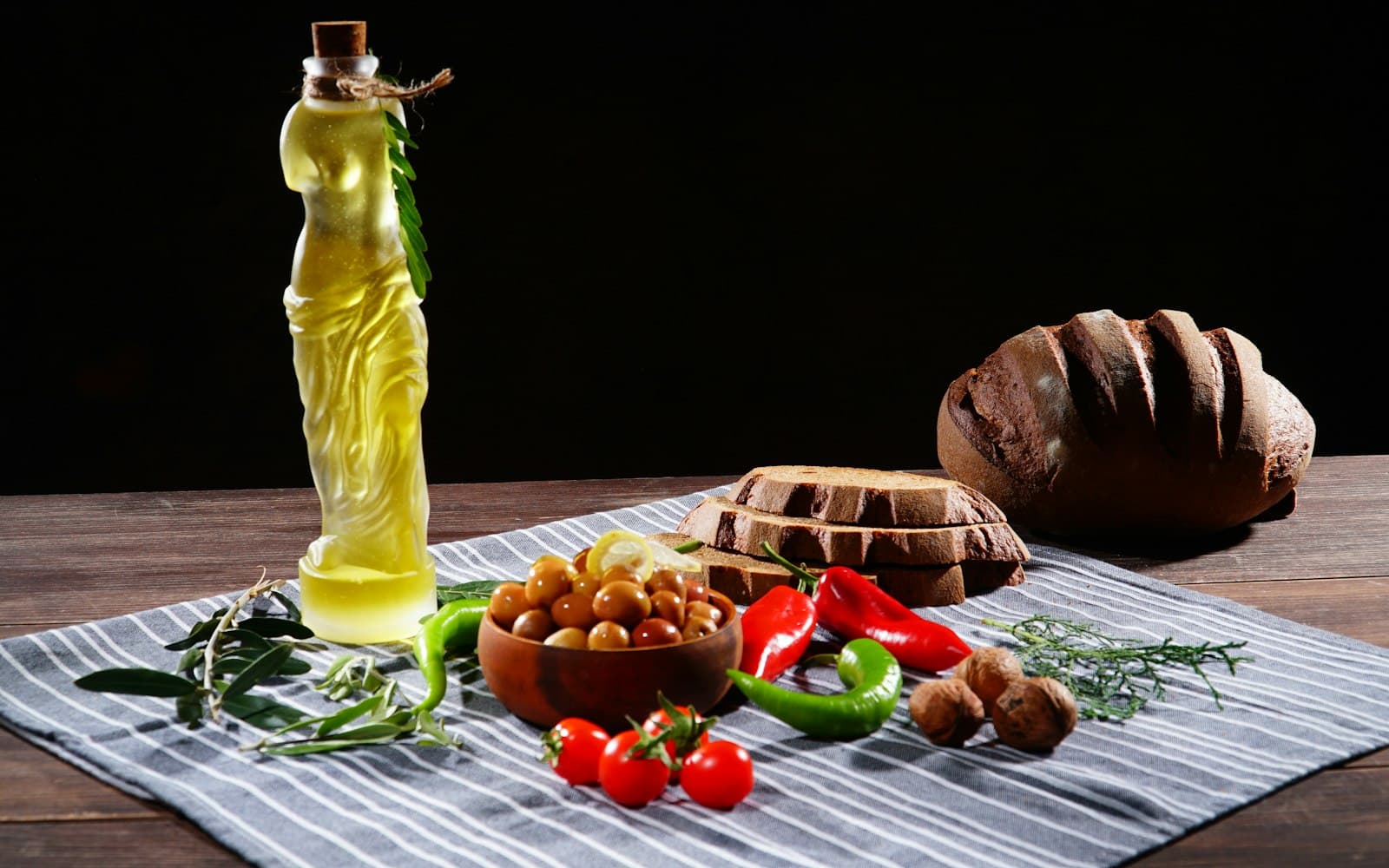
A bowl of red lentil soup, artichokes braised in olive oil, a handful of walnuts, with fresh herbs and sourdough bread on the side… This table is a snapshot of Anatolian cuisine, and just as much a summary of one of the eating patterns science has studied most: the Mediterranean diet.
Not a diet, but a way of life
The Mediterranean diet isn't a diet that counts calories or sets prohibitions. It's a pattern inspired by the traditional way of eating in communities around the Mediterranean:
- Plenty of: vegetables, fruit, legumes, whole grains, nuts, seeds, herbs and spices
- Main source of fat: extra-virgin olive oil
- In moderation: fish, yogurt, cheese, eggs
- Little: red meat, processed meat, sugar and refined products
And perhaps most important of all: Food is shared. A Mediterranean table isn't a meal eaten alone; it's a gathering.
What does the science say?
In observational studies carried out over decades, the Mediterranean diet has been associated with a lower risk of cardiovascular disease. In the large randomized PREDIMED trial conducted in Spain, and republished with updated methods, a Mediterranean diet enriched with extra-virgin olive oil or nuts was associated with a lower incidence of major cardiovascular events.
The power of this pattern is thought to come not from a single "superfood" but from the way the foods come together: fiber, healthy fats, polyphenols and very little processed food.
Food Ritual: Five touches for your table
- Legumes at least a few days a week: Lentils, chickpeas, beans; a store of both fiber and protein.
- Make olive oil your main fat: In salads, in vegetable dishes, drizzled over a slice of bread.
- Half your plate vegetables: The more colors, the better.
- A handful of nuts: Walnuts, almonds, hazelnuts; unsalted and unroasted.
- Eat slowly and together: Put down your phone, share the table, give your fullness signals time.
Sometimes the most magical elixir is hidden in our grandmother's pot.
If you have a specific health condition (for example, kidney disease, a food allergy or use of blood-thinning medication), plan your diet together with a doctor or dietitian.
Source
- Estruch R, et al. Primary Prevention of Cardiovascular Disease with a Mediterranean Diet Supplemented with Extra-Virgin Olive Oil or Nuts. New England Journal of Medicine, 2018.
This article is for general information only and is not a substitute for medical diagnosis, treatment or personal health advice. Talk to your doctor before changing your diet, exercise or supplement habits.
Keep reading
You may also enjoy

NutritionWitchy Wisdom
Blue Zones: The Shared Rituals of Long-Lived Communities
From Okinawa to Ikaria, what are the everyday secrets of long-lived communities? And what does science say about this story?

NutritionScience, Simply
Healthy Aging Begins in the Womb: The First 1,000 Days of Life
Longevity isn't only a matter for later life. How do the first 1,000 days, from pregnancy to age two, lay the foundations of lifelong health?

LifestyleThe Mind Reset
Mental Health: The Invisible Half of Longevity
Health isn't just about the body. How are optimism, emotional balance and psychological support linked to a long and healthy life?