NewsThe Discovery List
Wearable Health Technology: What Is the Data on Your Wrist Telling You?
How do smartwatches and rings measure sleep, heart rate variability and VO₂max? What can you trust, and what deserves a more cautious look?
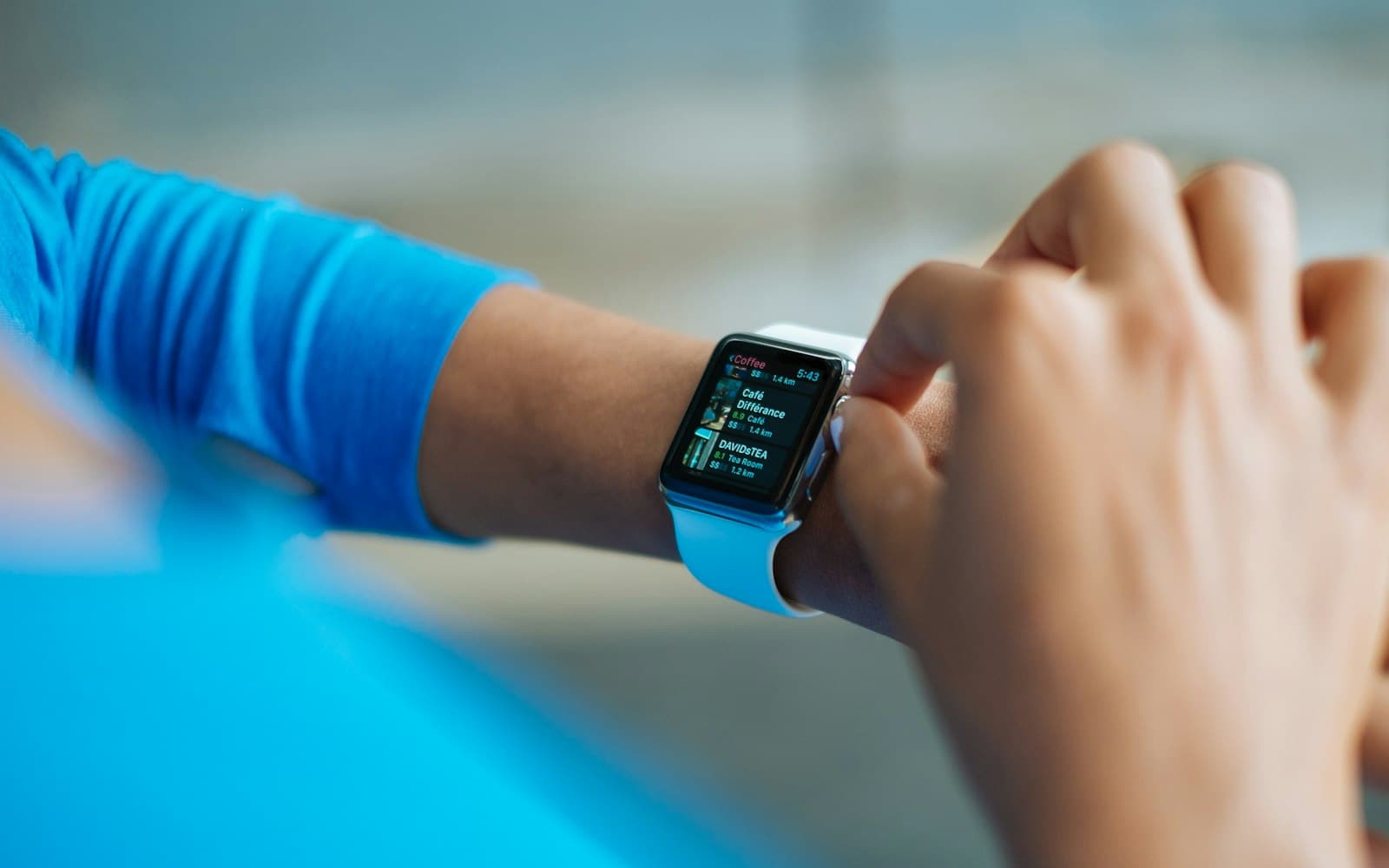
The small devices we wear on our wrists, our fingers, even our arms now hand us a "health report" every morning: a sleep score, a recovery score, a stress level, a fitness estimate… But what do these numbers actually tell us?
What's measured, and what's estimated?
It's important to draw one distinction up front: Some values are measured directly, while others are estimated by algorithms from those measurements.
| Metric | How it's obtained | Overall reliability |
|---|---|---|
| Step count | Motion sensor | Good for daily trends |
| Resting heart rate | Optical sensor | Generally good |
| Heart rate variability (HRV) | Optical sensor, mostly overnight | Useful for tracking your own trend |
| Sleep duration | Motion + heart rate | Reasonable |
| Sleep stages | Algorithmic estimate | Limited; may differ from lab measurements |
| VO₂max | Estimated from heart rate and movement | A rough estimate; useful for trends |
The most valuable use: Your own trend
The greatest strength of wearables is that they show not a single day but your trend over time. If your resting heart rate has been dropping for weeks, or your step count is climbing steadily, that may be a meaningful signal.
A single night's "poor sleep score," on the other hand, is no reason to worry. Some experts even warn that fixating on sleep scores can heighten anxiety and disrupt sleep.
Why does VO₂max matter?
VO₂max is the maximum amount of oxygen your body can use during exercise, and it's a measure of cardiorespiratory fitness. Higher fitness levels have been linked to longer life in many observational studies. While your watch's estimate isn't as precise as a lab test, tracking how it changes over time can be motivating.
How to be a mindful user
- Look at the trend, not a single day.
- Turn data into behavior: What is your sleep data telling you? To go to bed earlier?
- Listen to your body: If you feel good, don't let a low score run your day.
- Don't leave medical decisions to a device: Always have alerts such as an irregular heart rhythm notification evaluated by a doctor.
- Don't forget privacy: Check where your health data is stored and who it's shared with.
Data is a compass; walking the path is still up to us.
In The Discovery List series, we explore new technologies not because they're popular, but for what they truly offer.
This article is for general information only and is not a substitute for medical diagnosis, treatment or personal health advice. Talk to your doctor before changing your diet, exercise or supplement habits.
Keep reading
You may also enjoy

NewsThe Longevity Brief
5 Big Questions Shaping the World of Longevity
From biological age tests to drug research targeting aging itself: the big questions the longevity field is chasing today.

NutritionScience, Simply
Healthy Aging Begins in the Womb: The First 1,000 Days of Life
Longevity isn't only a matter for later life. How do the first 1,000 days, from pregnancy to age two, lay the foundations of lifelong health?

LifestyleThe Mind Reset
Mental Health: The Invisible Half of Longevity
Health isn't just about the body. How are optimism, emotional balance and psychological support linked to a long and healthy life?