Medical AestheticsSkin & Aesthetics
Skin Ages Too: An Evidence-Based Guide to Healthy Skin and Medical Aesthetics
What ages skin the most, which care steps have strong evidence, and what should you know before a medical aesthetic treatment? A clear guide from sunscreen to fillers.
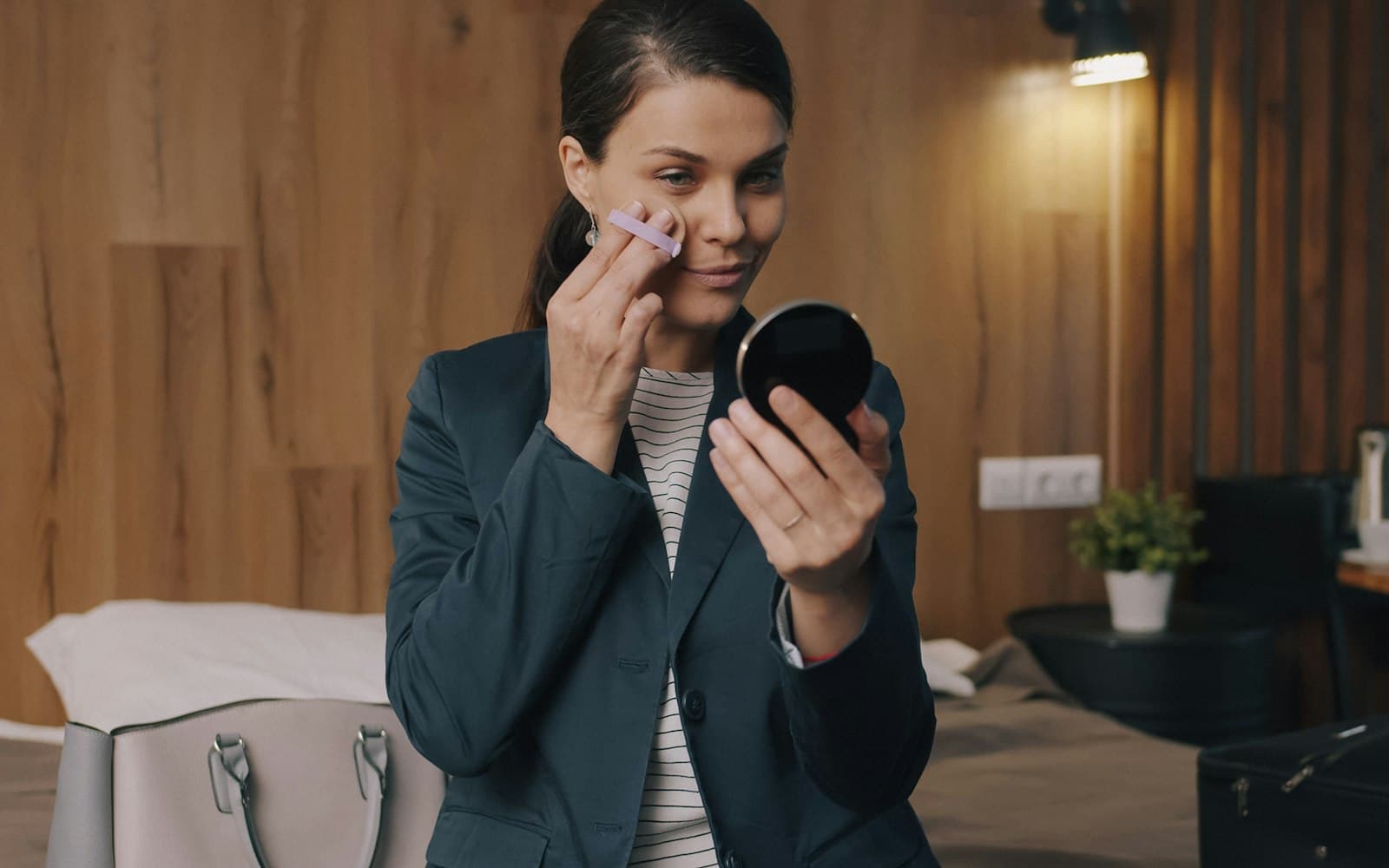
Skin is our body’s largest organ and the most visible mirror of aging. But it also carries good news: how our skin ages is shaped, to a large extent, by our everyday choices.
When we look at the medical aesthetics side of longevity, we ask two questions together: Is my skin healthy? and Will this treatment truly do me good?
Why does skin age?
Skin aging has two faces:
- Intrinsic aging: With age, collagen and elastin production declines, cell renewal slows, and skin becomes thinner and drier. Genetics and hormones shape this process.
- Extrinsic aging: The mark left on skin by external factors such as sun, smoking, air pollution and poor sleep. Among these, the strongest by far is the sun’s ultraviolet radiation.
Some studies suggest that a large share of visible facial aging signs is linked to sun exposure. This is called photoaging: fine lines, spots and uneven tone, and loss of elasticity.
Three habits with the strongest evidence
1. Sunscreen, every day
In a randomized trial of more than 900 adults in Australia, the group that used sunscreen daily showed no detectable increase in skin aging after 4.5 years of follow-up, and was markedly less likely to show increased signs of aging than those who used it occasionally.
Touch: Apply a broad-spectrum (UVA + UVB) product of at least SPF 30 to your whole face every morning — cloudy days included — in a generous amount, and reapply if you are outdoors for long.
2. Retinoids
Retinoids, derivatives of vitamin A, are among the most studied ingredients for photoaging. The effect of prescription tretinoin on fine wrinkles and the appearance of spots has been known for many years, and controlled studies show that over-the-counter retinol can also improve fine lines in naturally aged skin.
Touch: Start with a low concentration a few evenings a week; reduce the frequency if irritation occurs. Do not use retinoids during pregnancy or breastfeeding, and consult a dermatologist if your skin is sensitive.
3. Everything beyond the skin
Smoking ages skin markedly; twin studies show earlier and more pronounced signs of aging in the twin who smokes. Adequate sleep, regular movement, a diet rich in vegetables and fruit, and stress management are friends of the skin, too. In other words, the core rituals of longevity show on our skin as well.
Medical aesthetics: What is done, and what should you watch for?
When performed by the right person and with realistic expectations, medical aesthetic treatments can make a positive contribution to quality of life. The most common methods:
| Treatment | What it does | What you should know |
|---|---|---|
| Botulinum toxin | Softens expression lines | Effects usually last 3–4 months; dosing and injection points require experience |
| Hyaluronic acid fillers | Restore lost volume and soften deep lines | There is a rare but serious risk of vascular occlusion; the practitioner’s experience is critical |
| Laser and light therapies | Used for spots, redness and texture irregularities | Device and settings must suit your skin type |
| Microneedling, chemical peels | Renew the skin surface, improve texture and scars | Sun protection afterwards is essential |
Five questions for a safe treatment
- Who is performing it? Medical aesthetic procedures should be carried out by a physician trained in this field, in appropriate conditions.
- Which product is being used? Ask for the product’s name, confirmation that it is approved and genuine, and its batch number — and keep a record.
- Were the risks and possible complications explained? Written information and consent are part of good practice.
- What happens if something goes wrong? With hyaluronic acid fillers, for example, an enzyme that can dissolve the filler (hyaluronidase) should be on hand for emergencies.
- Are my expectations realistic? The best results usually look “rested and healthy,” not “done.”
Beyond the Hype: Collagen supplements
Collagen powders and drinks are among the most popular products of recent years. Some randomized trials, and analyses that pool them, report that oral collagen peptides may produce modest improvements in skin hydration and elasticity. However, many of these studies are small, short and funded by manufacturers; long-term effects, and which product works how well, are not yet clear.
Longewitchy note: The evidence is not as strong as for sunscreen and retinoids. If you want to try it, think of it as an addition to the fundamentals, not a replacement.
The most beautiful image of healthy aging is a face that feels good.
This article is for general information only. Make decisions about skin care and medical aesthetic treatments together with a dermatologist or a physician qualified in this field.
Sources
- Hughes MCB, Williams GM, Baker P, Green AC. Sunscreen and prevention of skin aging: a randomized trial. Annals of Internal Medicine, 2013.
- Flament F, et al. Effect of the sun on visible clinical signs of aging in Caucasian skin. Clinical, Cosmetic and Investigational Dermatology, 2013.
- Kafi R, et al. Improvement of naturally aged skin with vitamin A (retinol). Archives of Dermatology, 2007.
- de Miranda RB, Weimer P, Rossi RC. Effects of hydrolyzed collagen supplementation on skin aging: a systematic review and meta-analysis. International Journal of Dermatology, 2021.
This article is for general information only and is not a substitute for medical diagnosis, treatment or personal health advice. Talk to your doctor before changing your diet, exercise or supplement habits.
Keep reading
You may also enjoy

NutritionScience, Simply
Healthy Aging Begins in the Womb: The First 1,000 Days of Life
Longevity isn't only a matter for later life. How do the first 1,000 days, from pregnancy to age two, lay the foundations of lifelong health?

LifestyleThe Mind Reset
Mental Health: The Invisible Half of Longevity
Health isn't just about the body. How are optimism, emotional balance and psychological support linked to a long and healthy life?
SupplementsBeyond the Hype
Protecting Muscle in the Age of Weight-Loss Shots: Does Urolithin A Really Work?
When we lose weight, we lose muscle too. Why is urolithin A getting so much attention, what does the evidence say, and what are the most powerful ways to protect muscle?