SupplementsBeyond the Hype
Protecting Muscle in the Age of Weight-Loss Shots: Does Urolithin A Really Work?
When we lose weight, we lose muscle too. Why is urolithin A getting so much attention, what does the evidence say, and what are the most powerful ways to protect muscle?
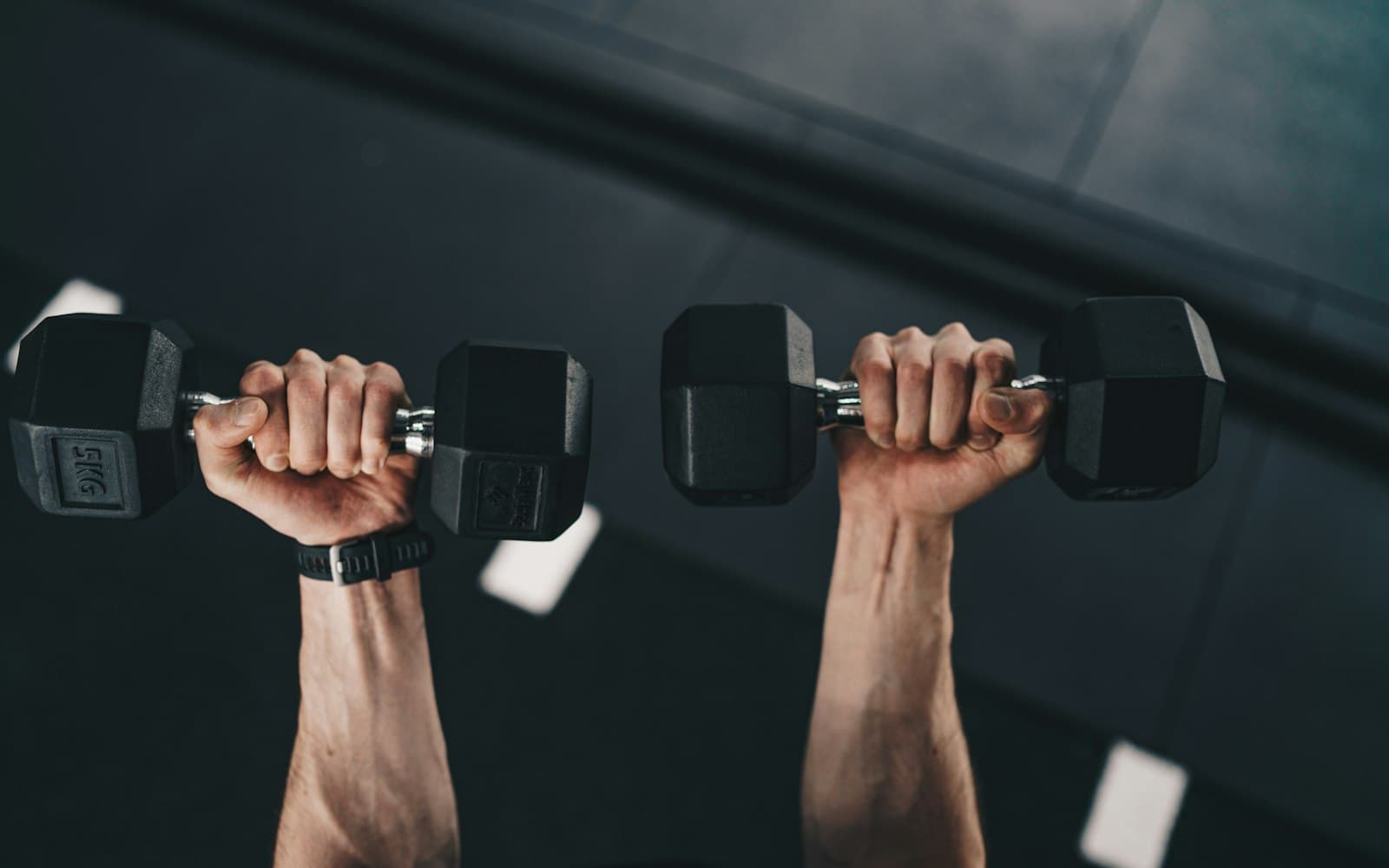
GLP-1 drugs (popularly known as "weight-loss shots") have opened a new era in the treatment of obesity. But this rapid weight loss has also raised an important question: How much of the weight lost is fat, and how much is muscle?
The hidden side of weight loss
When we lose weight, we lose not only fat but also some lean tissue. Some studies of GLP-1 drugs have reported that a considerable share of the weight lost (varying by study, but roughly between one-third and two-fifths) comes from lean mass. Lean mass isn't only muscle; it also includes water and other tissues. Still, muscle loss is something to take seriously, especially in later life.
Because, as we explained in Muscle: The Hidden Organ of Longevity, muscle is the foundation of metabolism, balance and independence.
Why is urolithin A getting attention?
Urolithin A is a molecule formed when gut bacteria transform ellagitannins, found in pomegranates, walnuts and some berries. Laboratory studies have shown that it supports mitophagy, the process by which damaged mitochondria are cleared from the cell.
An intriguing detail: not everyone's gut flora can carry out this transformation with the same efficiency. That's why urolithin A has also been developed as a direct supplement.
What do human studies say?
- In a 4-month randomized trial in adults over 65, urolithin A showed improvements in some measures of muscle endurance; however, there was no significant difference in six-minute walk distance, one of the primary endpoints.
- Another randomized trial in middle-aged adults reported increases in some measures of muscle strength and improvements in mitochondria-related markers.
What we don't know:
- The studies are relatively small and short.
- A significant portion of the research is funded by the company that developed the product.
- There is not yet a strong human study showing that it prevents muscle loss in people on GLP-1 treatment.
The Beyond the Hype verdict: A promising area worth following, but for now it is too early to present it as a "muscle-protecting miracle."
Proven ways to protect muscle
- Strength training: Resistance exercise that works all the major muscle groups, at least two days a week. The most powerful muscle protector during weight loss.
- Enough protein: The European expert group PROT-AGE recommends at least 1.0–1.2 grams of protein per kilogram of body weight per day for healthy older adults. Determine your own needs with your doctor or dietitian.
- Spreading protein across the day: A quality protein source at every meal, rather than in a single meal.
- Slow, monitored weight loss: Drug treatment should always be carried out under medical supervision, with body composition tracking.
- Sleep and movement: Muscle is repaired at night and built through movement during the day.
Losing weight is an outcome; protecting muscle is the real investment in a long life.
GLP-1 drugs are prescription medications and should only be used on a doctor's recommendation and under their supervision. Talk to your doctor before starting any supplements, too.
Sources
- Liu S, et al. Effect of Urolithin A Supplementation on Muscle Endurance and Mitochondrial Health in Older Adults: A Randomized Clinical Trial. JAMA Network Open, 2022.
- Singh A, et al. Urolithin A improves muscle strength, exercise performance, and biomarkers of mitochondrial health in a randomized trial in middle-aged adults. Cell Reports Medicine, 2022.
- Bauer J, et al. Evidence-based recommendations for optimal dietary protein intake in older people: a position paper from the PROT-AGE Study Group. JAMDA, 2013.
This article is for general information only and is not a substitute for medical diagnosis, treatment or personal health advice. Talk to your doctor before changing your diet, exercise or supplement habits.
Keep reading
You may also enjoy
SupplementsBeyond the Hype
Beyond the Hype: Supplements, NAD+, and "Fountain of Youth" Promises
Do longevity supplements really work? We put popular claims through the filter of science.
Topic of the MonthScience, Simply
The 5 Core Concepts of Longevity: Healthspan, Lifespan, Senescence, Mitochondria, and Epigenetics
Five key concepts you need to understand the science of a long, healthy life, explained in simple and slightly magical language.

FitnessThe Movement Code
Muscle: The Hidden Organ of Longevity
Muscle isn't just about strength; it's also key to metabolism, balance, and independence. A science-based movement guide against sarcopenia.