SupplementsBeyond the Hype
Beyond the Hype: Supplements, NAD+, and "Fountain of Youth" Promises
Do longevity supplements really work? We put popular claims through the filter of science.
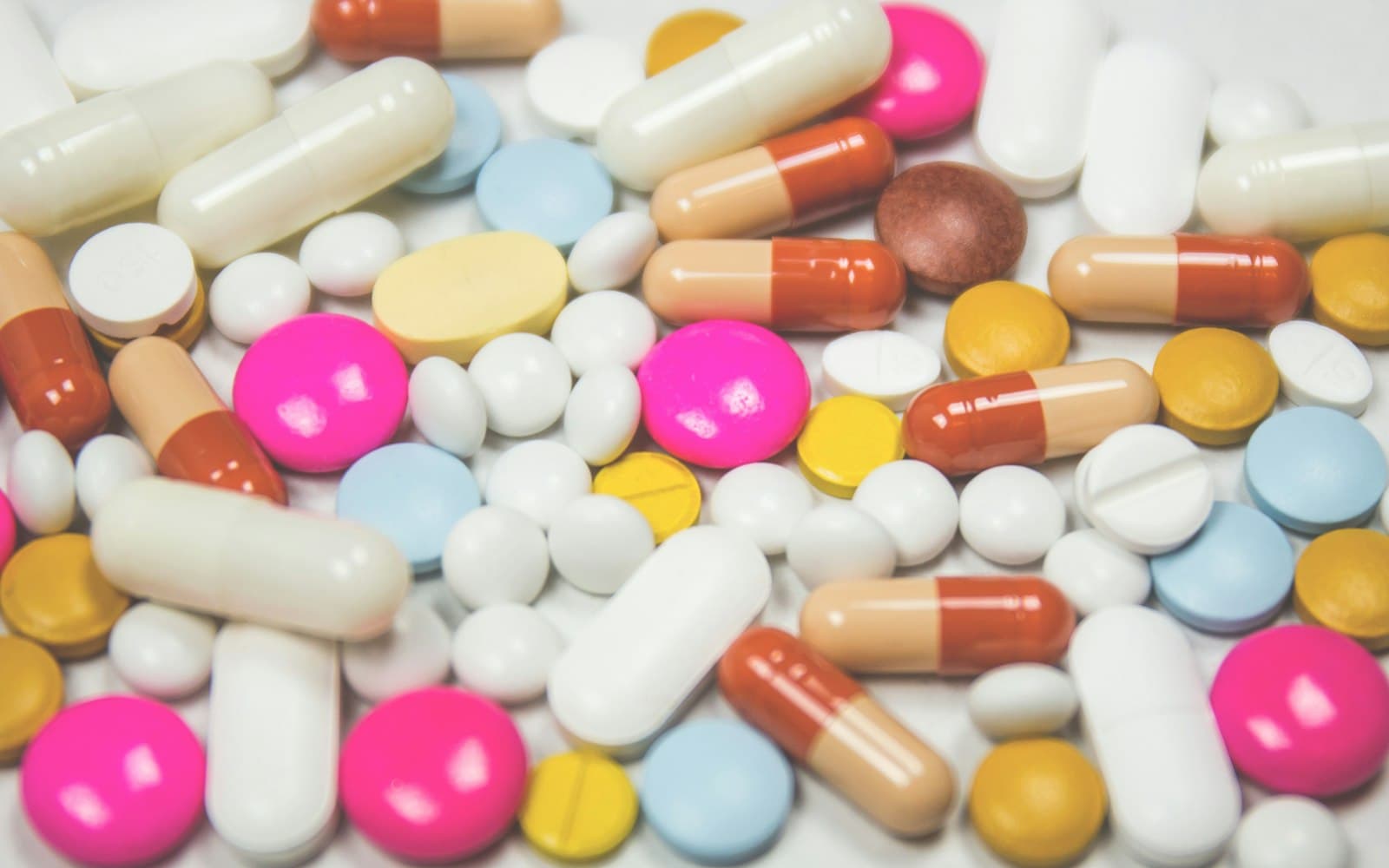
A new "fountain of youth" is born on social media every day. NAD+ precursors, resveratrol, metformin, rapamycin, countless vitamin blends… So what does science actually say about these elixirs?
In our Beyond the Hype series, we filter popular claims through a single question: What do we know, and what don't we know yet?
First, four golden questions
Whenever you come across a longevity product, ask these questions:
- Where does the evidence come from? Studies in cell cultures, yeast, worms, and mice offer important clues; but they don't guarantee the same result in humans.
- If there are human studies, what are they like? How many people, for how long, and were they randomized and controlled?
- What was measured? A change in a blood marker is not the same thing as living a longer, healthier life.
- What are the risks and interactions? "Natural" doesn't mean harmless.
NAD+ precursors
NAD+ is a molecule essential for cellular energy production and repair, and its levels decline with age. Precursors such as NMN and NR have been shown to raise NAD+ levels. However, there is not yet strong evidence that this slows aging or extends lifespan in humans. Existing human studies are mostly small and short-term.
Metformin
Metformin, long used to treat diabetes, is on the agenda of aging research because it has shown intriguing signals in observational studies. The TAME trial, which directly targets aging, was designed to answer this question. For now, metformin use "for longevity" is not recommended in healthy individuals.
Rapamycin
Rapamycin caused great excitement as one of the first drugs shown to extend lifespan in mice, even when started late in life. But it is a prescription drug that can suppress the immune system; its use for aging in humans is experimental territory that absolutely requires a doctor's supervision.
Vitamins and omega-3
In the VITAL trial, which included about 26,000 adults, vitamin D and omega-3 supplements did not reduce cancer or major cardiovascular events overall. In 2022, the US Preventive Services Task Force (USPSTF) also found the evidence insufficient on the benefits of multivitamins for preventing heart disease and cancer in healthy adults, and recommended against beta-carotene and vitamin E supplements.
This doesn't mean supplements are never necessary: if you have a diagnosed deficiency (vitamin D or B12, for example), a supplement recommended by your doctor can be extremely valuable.
The bottom line: The real elixirs are still the simplest
Today, the "interventions" with the strongest evidence for affecting healthy lifespan in humans are still these: regular movement, muscle strength, quality sleep, a diet built mostly on plant-based and unprocessed foods, staying away from smoking, limiting alcohol, and strong social connections.
Sometimes the most powerful elixirs are the ones that can't fit in a bottle.
Always talk to your doctor before starting any supplement or medication; especially if you take medications regularly, review possible interactions together.
Sources
- Barzilai N, et al. Metformin as a Tool to Target Aging. Cell Metabolism, 2016.
- Harrison DE, et al. Rapamycin fed late in life extends lifespan in genetically heterogeneous mice. Nature, 2009.
- Manson JE, et al. Vitamin D Supplements and Prevention of Cancer and Cardiovascular Disease. New England Journal of Medicine, 2019.
- US Preventive Services Task Force. Vitamin, Mineral, and Multivitamin Supplementation to Prevent Cardiovascular Disease and Cancer. JAMA, 2022.
This article is for general information only and is not a substitute for medical diagnosis, treatment or personal health advice. Talk to your doctor before changing your diet, exercise or supplement habits.
Keep reading
You may also enjoy
SupplementsBeyond the Hype
Protecting Muscle in the Age of Weight-Loss Shots: Does Urolithin A Really Work?
When we lose weight, we lose muscle too. Why is urolithin A getting so much attention, what does the evidence say, and what are the most powerful ways to protect muscle?

NutritionScience, Simply
Healthy Aging Begins in the Womb: The First 1,000 Days of Life
Longevity isn't only a matter for later life. How do the first 1,000 days, from pregnancy to age two, lay the foundations of lifelong health?

LifestyleThe Mind Reset
Mental Health: The Invisible Half of Longevity
Health isn't just about the body. How are optimism, emotional balance and psychological support linked to a long and healthy life?